Cooking workshops for kids: where to find them and what they learn
Practical guide to cooking workshops for kids: what they learn by age, benefits endorsed by pediatrics and pedagogy, and where to sign them up near home.
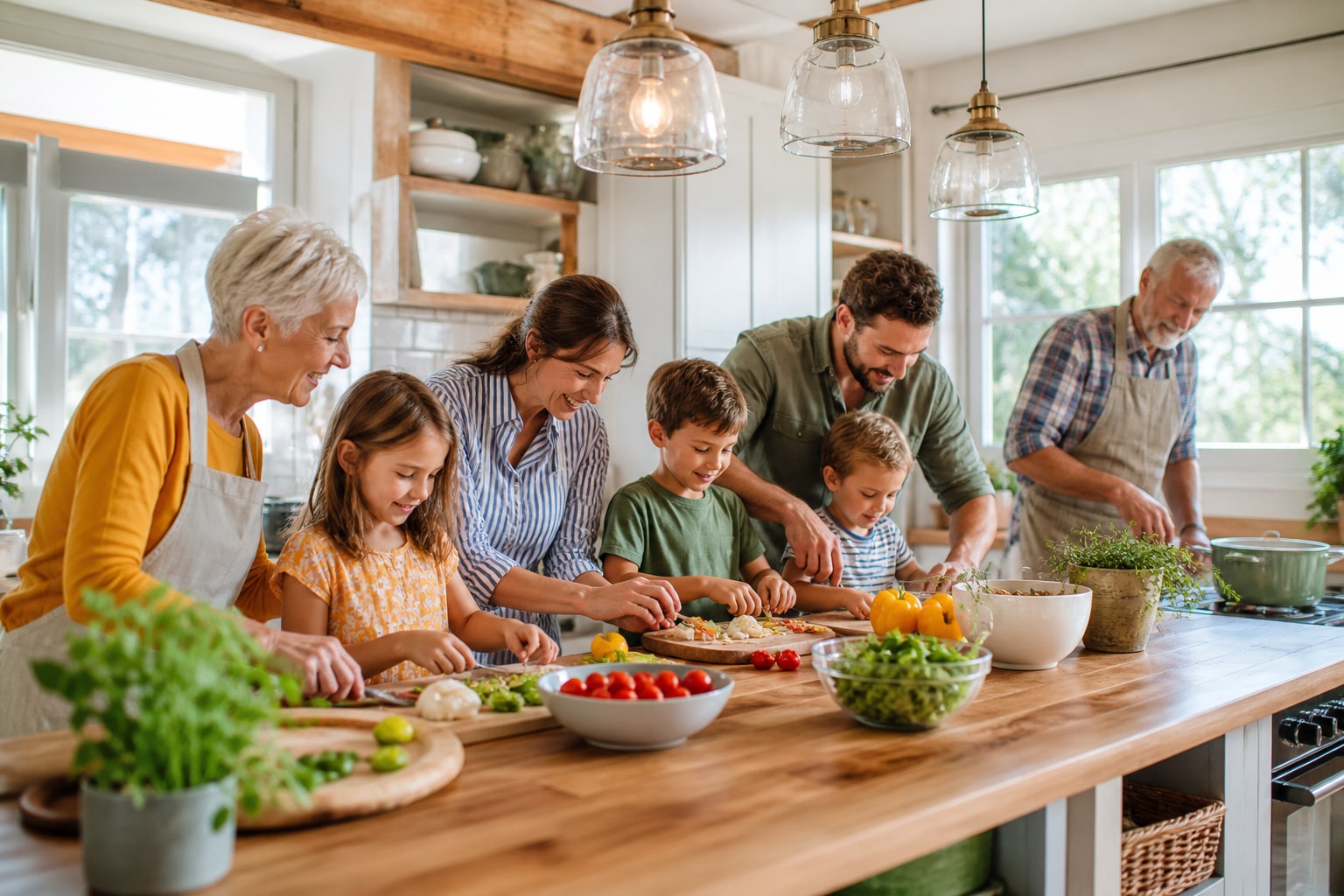
If your son or daughter sneaks into the kitchen every time something smells good, you probably already have half the answer. Cooking workshops for kids have become one of the fastest-growing after-school activities in Spain, and it’s no coincidence: they combine play, independence, reading, maths and healthy eating habits in a single activity.
In this guide you’ll find out exactly what they are, what children learn at each age, what benefits are endorsed by the Spanish Association of Paediatrics (AEP) and, above all, where to look for them without losing your mind.
What a children’s cooking workshop is
A children’s cooking workshop is an activity led by an adult — a cook, educator or trained instructor — in which children prepare recipes adapted to their age. It isn’t “playing at cooking”: real cooking takes place, with real ingredients and age-appropriate utensils.
Sessions usually last between 45 and 120 minutes, with groups of 6 to 12 participants and recipes designed so that everyone can finish and take something home.
Quick summary: formats, ages and prices
Here’s an at-a-glance overview of the most common formats in Spain:
| Format | Recommended age | Average duration | Approximate price |
|---|---|---|---|
| One-off workshop at a cooking school | 4-14 years | 1.5-2 h | €20-40 |
| Weekly after-school class | 5-12 years | 1 h/week | €25-55/month |
| Urban cooking summer camp | 6-14 years | 5 days, 3-5 h/day | €90-180 |
| Municipal workshop / library | 4-12 years | 1-2 h | Free or nominal fee |
| Live online class | 7-14 years | 45-60 min | €10-20/session |
| Themed cooking birthday party | 5-12 years | 2-3 h | €15-25/child |
What they learn by age
Content is adapted to motor and cognitive development. These are the usual ranges.
3 to 5 years: handling and discovering
They mix, knead, decorate biscuits, peel bananas, crack eggs. They work on fine motor skills and vocabulary (textures, colours, smells). They don’t use real fire or knives: spatulas, plastic cutters and moulds.
6 to 8 years: following a recipe
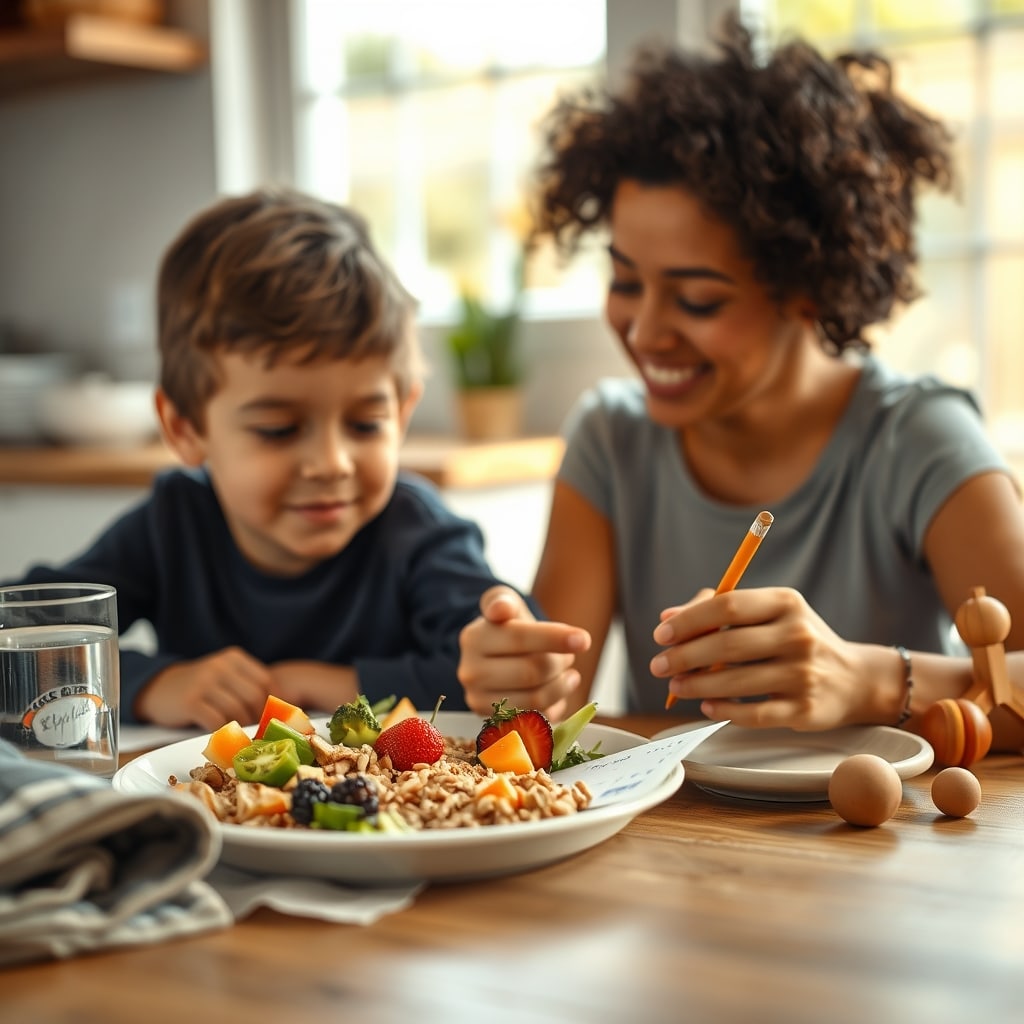
They start reading simple recipes, measuring with spoons and cups, and understanding step-by-step instructions. Functional reading and the first notions of maths come in: halves, doubles, times.
9 to 11 years: technique and independence
They handle child-safe knives under supervision, use the oven, whisk with electric beaters. They learn basic techniques (sautéing, emulsifying, whipping egg whites) and begin to improvise.
12 to 14 years: real cooking
Complete dishes, balanced menus, international cuisine, advanced baking. Many workshops introduce notions of nutrition, food labelling and shopping budgets at this stage.
Benefits endorsed by paediatrics and pedagogy
The AEP and the AEPap have long stressed that involving children in food preparation improves their relationship with food, especially in the case of picky eaters or children with little appetite. A child who has chopped the courgettes is usually more willing to try them.
The most well-documented benefits:
- More varied diet: increases acceptance of vegetables and pulses.
- Fine motor skills: peeling, cutting, kneading and pouring.
- Applied maths: fractions, weights, times, temperatures.
- Reading comprehension: following a recipe requires understanding order and instructions.
- Independence and self-esteem: finishing a dish and serving it reinforces the sense of achievement.
- Social skills: cooking as a group involves taking turns, waiting and sharing tasks.
It’s also an activity that competes well with screen-based leisure, something that concerns many families when they review the WHO and AEP recommendations on time spent in front of a mobile phone or tablet.
Where to find children’s cooking workshops
Private cooking schools
Large cities have schools with stable children’s programmes: Saturday mornings, holiday camps and themed birthday parties. Search online for “cooking school for kids + your city”.
City councils, civic centres and libraries
Many city councils organise free or nominal-fee workshops as part of their children’s leisure programmes, especially at Christmas, Easter and in summer. Ask at your neighbourhood civic centre or check the municipal agenda.
School after-school activities
Some schools and parent associations (AMPAs) include cooking among their weekly after-school activities. It’s usually one of the most in-demand options and often has a waiting list, so it’s worth signing up early.
Municipal markets
Traditional food markets have regained prominence and several run children’s workshops at weekends, sometimes with a prior visit to the stalls to choose ingredients.
Urban food camps
In summer, Christmas and Easter, 3-to-5-day cooking camps proliferate. A good option if you need to balance work and childcare and want them to learn something along the way.
Live online workshops
They’ve grown considerably since 2020. They work well from 7-8 years onwards, always with an adult nearby for steps involving fire or knives. They offer access from small villages where there is no in-person provision.
What to check before signing them up
Before enrolling your child, check:
- Team qualifications: professional cooks, educators or certified leisure and free-time instructors.
- Adult-to-child ratio: ideally no more than 8-10 children per instructor.
- Food safety: food handling, allergen control, protocols for the oven and knives.
- Allergies and intolerances: they should ask on the enrolment form and adapt recipes.
- What they take home: printed recipe, finished dish, photo of the process.
- Final clean-up: good workshops include tidying up as part of the learning.
If your little one has a diagnosed food allergy, confirm the protocol in writing before paying.
Cooking at home counts too
There’s no need to sign them up for anything to get them started. Letting them wash lettuce, lay the table, measure rice or decorate a pizza is already cooking. If you’re looking for weekend ideas, you can combine it with other plans to rediscover your neighbourhood as a family, such as visiting the market and cooking what you’ve bought.
Frequently asked questions
At what age can a child start a cooking workshop?
From 3 years old there are workshops adapted to them, focused on handling soft ingredients, decorating and mixing without fire. From 6 years they can follow simple recipes and, from 9-10, use more complex tools under supervision.
Are they safe? I’m worried about fire and knives
Well-run workshops use child-safe knives, ovens with protective features and low ratios. Direct fire is generally not used until around 8-9 years. Always ask about the safety protocol and the team’s training before enrolling.
Do they work for very picky eaters?
They usually help, yes. The AEP notes that taking part in food preparation increases willingness to try new foods. It’s not magic and it won’t work in a single session, but cooking what they later eat reduces rejection over time.
How much does a children’s cooking workshop cost?
It depends on the format. A one-off workshop costs around €20-40, a weekly after-school class between €25 and 55 a month, and a one-week urban camp between €90 and 180. Municipal workshops are usually free or nearly so.
Is in-person or online better?
For children under 8, in-person is almost always better: they need contact, imitation and guided handling. From that age onwards, online works well if there’s an adult nearby and it gives access to provision that doesn’t exist in your area.