Free or low-cost after-school activities: alternatives many families don't know about
A practical guide to finding free or affordable after-school activities in Spain: town councils, libraries, clubs, scholarships and real resources by age and budget.
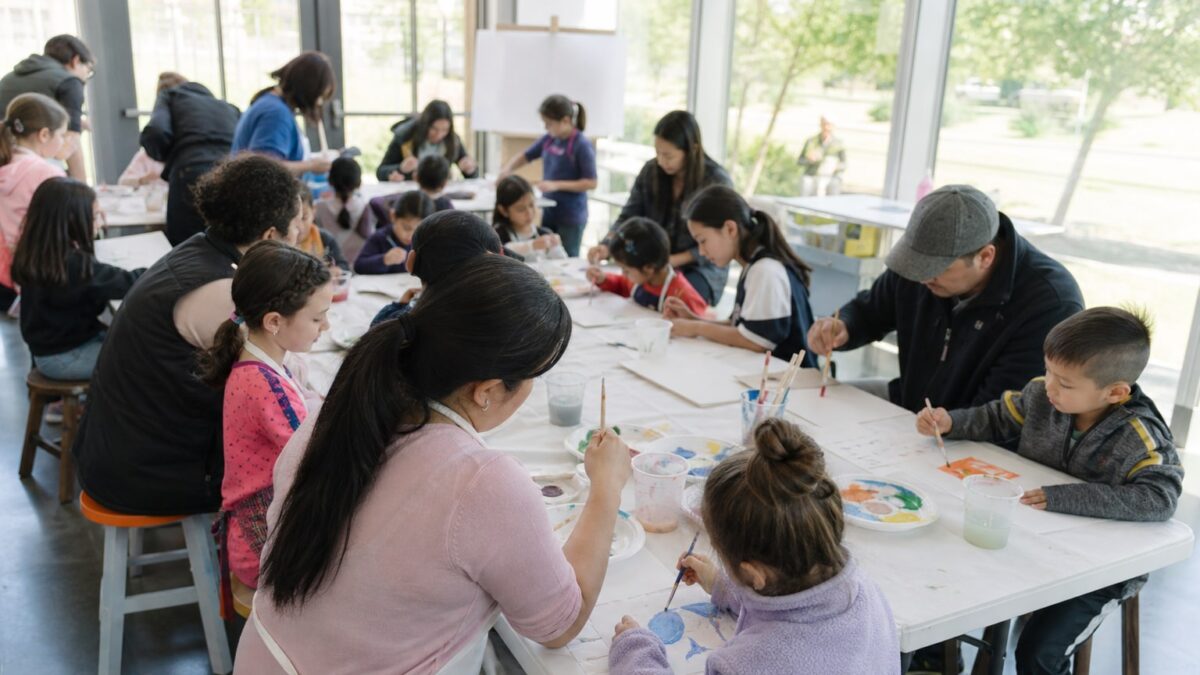
School after-school activities are convenient, but they don’t always fit the family budget. And sometimes they don’t match the child’s interests either. The good news is that there are many free or low-cost alternatives that don’t appear in school circulars and work just as well (or better).
This guide is designed for families with children aged 3 to 14 who want to expand their after-school schedule without the costs skyrocketing. We’ll tell you where to look, what deadlines to keep in mind and how to combine public resources, scholarships and social organizations. No magic formulas, just real options.
Why private after-school activities have become so expensive
The average price of an after-school activity at a private center or academy has clearly risen in recent years. Languages, music, robotics or federated sports can cost between 30 and 90 euros a month per activity, not counting enrollment, materials or equipment. If you have more than one child, the figure multiplies.
On top of this is something very common: the feeling that “you have to sign them up for something” so they don’t fall behind. But pedagogical evidence doesn’t support that idea. What matters is not the number of activities, but that the child enjoys themselves and rests. If you want to go deeper, you may be interested in reading about how many after-school activities are too many and the signs of overload.
Types of free or affordable after-school activities in Spain
There is no single channel. It’s worth knowing all of them so you can choose the one that best fits your family:
| Type of resource | Typical cost | Who runs it |
|---|---|---|
| Municipal sports schools | 0–25 €/month | Town council / sports board |
| Workshops in public libraries | Free | Municipal or regional network |
| Youth houses and civic centers | 0–20 €/quarter | Town council |
| Federated clubs with membership fee | 10–30 €/month | Local sports association |
| Social organizations (Red Cross, Cáritas, Save the Children) | Free | NGOs with agreements |
| Town council or regional government scholarships | Covers 50–100% | Public administration |
| Scouts, leisure and parish groups | 5–15 €/month | Non-formal education associations |
Municipal sports schools: the most stable option
Almost all town councils offer sports schools for children and teenagers. Football, basketball, athletics, swimming, judo, rhythmic gymnastics, padel or chess are common. Prices usually range from free to 25 euros a month, depending on the town and income level.
Enrollment usually opens between May and September, although some councils accept new registrations during the school year if spots remain. Go to the town council website and search for “deporte base” or “escuelas deportivas municipales”. In many autonomous communities there are also discounts for large, single-parent or low-income families.
Public libraries: much more than books
Municipal libraries organize children’s reading clubs, storytelling sessions, creative writing workshops, introductory chess, basic robotics and languages. All free. The schedule is usually published each quarter on the municipal website or on the library’s noticeboard.
They are a fantastic option for children aged 4 to 12, especially if you’re looking for something calm, without competitive pressure, that combines well with other activities. Places are limited, so pay attention to the enrollment calendar.
Youth houses, civic centers and ludotecas
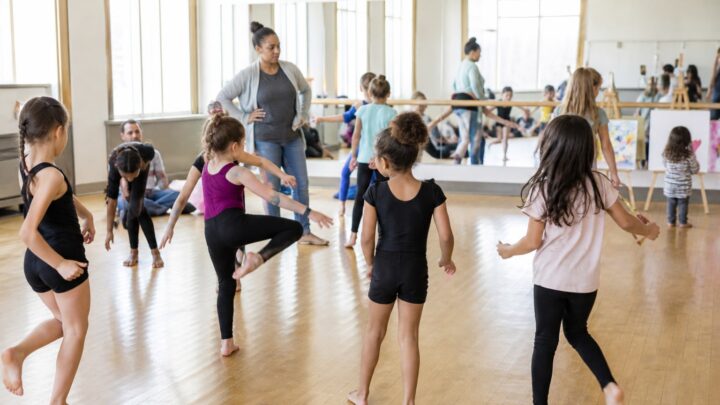
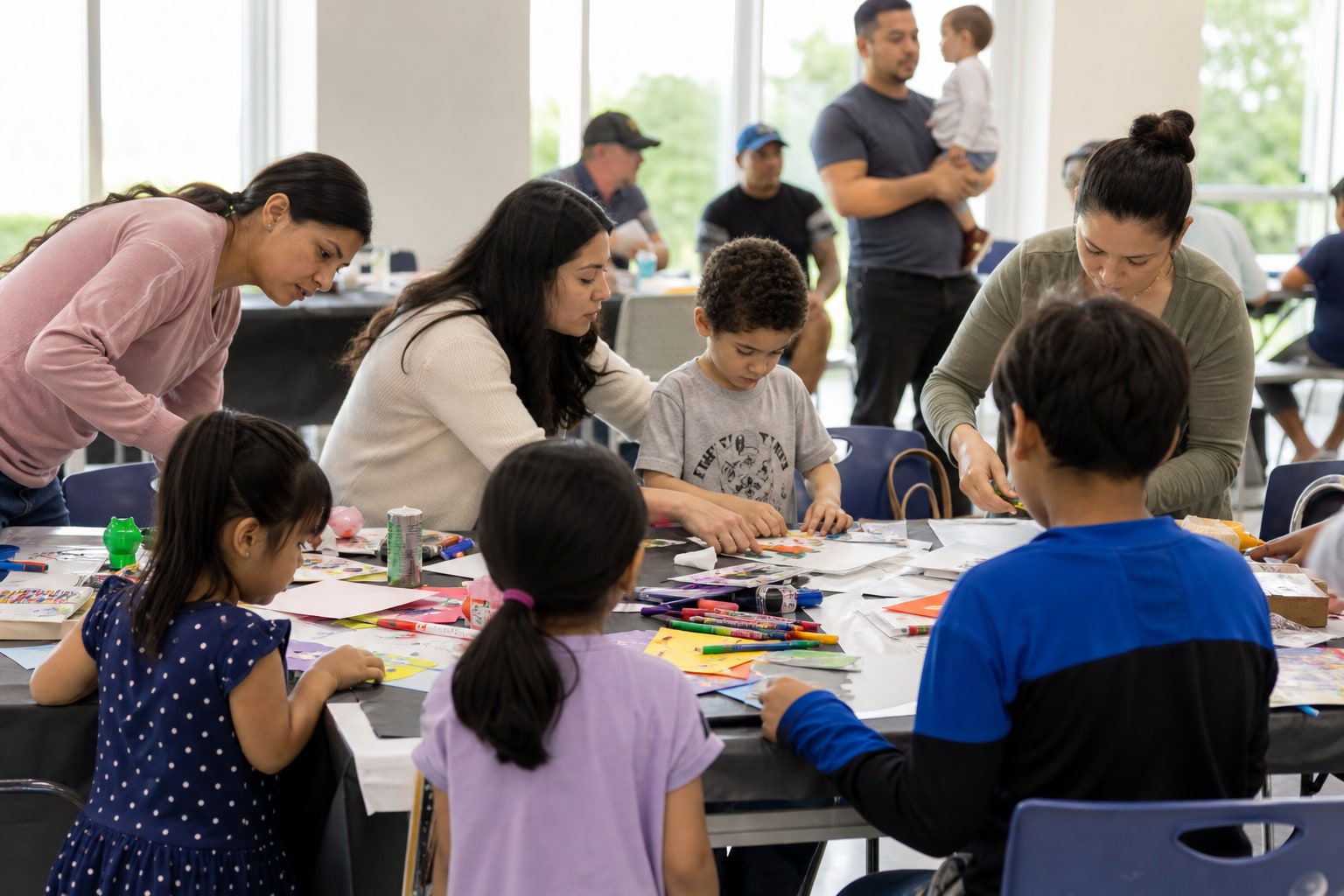
Civic centers offer theatre, dance, crafts, hip-hop, drawing or urban gardening workshops at symbolic prices. In many cities, youth houses extend the offer to teenagers with audiovisual, music, DJ or educational video game activities.
They usually have two sections: children’s (up to 12 years old) and youth (12–18). Ask at your neighborhood center: sometimes the information isn’t well updated online.
Sports clubs and federations with membership fees
Many local clubs operate as non-profit associations. The fee is lower than at a private academy and there are discounts for siblings. Sports such as athletics, handball, rugby, canoeing or table tennis usually have fees between 10 and 30 euros a month.
Check the regional sports federation for the sport your child is interested in. Its website lists the federated clubs by province.
Social organizations: Red Cross, Cáritas, Save the Children and others
The major NGOs in Spain have educational support, leisure and free-time programs for children in economically vulnerable situations. The Red Cross runs the Éxito Escolar program, Save the Children has socio-educational centers in several cities, and Cáritas offers school support in neighborhood parishes.
Access requires proving the family’s situation, usually through the town council’s social services. It is free of charge, and the activities combine homework, play and workshops.
Scouts, leisure and parish groups
The scout movement and leisure groups (ASDE, Scouts Católicos, Minyons…) organize weekly weekend meetings and summer camps. The annual fee is usually around 60–150 euros a year, materials and insurance included. They work on autonomy, nature and living together in mixed-age groups.
Scholarships and aid for after-school activities
These are the big unknown. Many administrations offer specific aid:
- Municipal aid for sports or cultural activities (search “becas extraescolares ayuntamiento” + your city).
- Autonomous community scholarships for work-family balance and activities outside school hours.
- Calls from the Ministry of Education for students with specific support needs.
- AMPA aid from the school itself, which sometimes subsidizes places.
Application periods usually open between June and September. Book an appointment with the town council’s social services: they know the local aid network best.
How to choose by age
Not all options suit every stage. If you’re unsure which activity may work best at each moment, there is a specific article about after-school activities by age and what makes sense to offer at each stage.
Broadly speaking:
- 3–5 years: municipal psychomotor development, storytelling at the library, water introduction.
- 6–9 years: sports schools, creative workshops at civic centers, scouts.
- 10–14 years: federated clubs, technology workshops at youth houses, light volunteering.
Common mistakes when looking for cheap after-school activities
- Only checking the school’s website and not exploring the town council.
- Waiting until September: many free places run out in June.
- Ruling out an activity based on its name without asking about its content.
- Signing the child up “because it’s free” without considering their opinion.
- Not requesting income-based discounts: they are available, but you have to apply for them.
Frequently asked questions
Are municipal after-school activities of the same quality as private ones? In grassroots sports and creative workshops, yes. Instructors are usually qualified and the groups are reasonable. For advanced languages or music, private academies may offer more specialization.
Can I apply for a scholarship if I have a middle income? It depends on each call. Many municipal aids use scales by family unit that include middle-income families with several children. Ask without assuming you don’t qualify.
What happens if my child wants to quit halfway through the year? It is more common than it seems and does not mean failure. This article on how to deal with it without guilt when your child wants to quit an after-school activity may help you.
Do libraries require a library card for workshops? Usually yes, but it is free and can be processed on the spot with an ID card or family book.
When do municipal enrollments open? Most between May and September, with a second period in January for remaining places. Check your town council’s official calendar so you don’t miss out.