How to tell whether an after-school activity your child genuinely enjoys (and not just you)
A practical guide to distinguishing your child's real interest in an after-school activity from parental wishes, with signs by age and a 4-week method to decide without guilt.

You signed your daughter up for judo with great enthusiasm. The first few weeks she was happy. Now, every Tuesday, there’s a negotiation in the hallway. And you wonder whether it’s a passing laziness, whether she hates judo, or whether you actually liked judo more than she does.
It’s a very common doubt. Choosing after-school activities when children are young almost always means we adults decide. And sometimes we project: what we wish we had done as kids, what we think is good for them, what their friends are doing. This article helps you read the real signals, tell a passing refusal from a deeper one, and make a calm decision.
Why it’s so hard to tell what the child wants from what we want
Up to roughly 7-8 years old, children have little ability to anticipate how they will feel in a future activity. They say “yes” to almost anything that sounds fun in the brochure. And they say “no” to almost anything that involves leaving the house on a rainy day. Neither answer, on its own, is reliable.
On top of that, there’s something human: we want the best for them. And “the best” is sometimes confused with what we couldn’t do ourselves, with what the neighbour’s child does, or with what the school recommends. There’s nothing wrong with admitting it. Admitting it is the first step toward separating their wish from ours.
Signs that the after-school activity really does appeal to them (quick summary)
Before going into detail, this table works as a compass. You don’t need all of them: with 3 or 4 clear signs on the positive side, you’re on the right track.
| Sign | Likes it | Doesn’t like it |
|---|---|---|
| When talking about the activity | Mentions concrete things (what they did, with whom) | Answers in monosyllables or changes the subject |
| On class day | Gets ready without big dramas | Protests every week, cries, has physical complaints |
| When leaving | Comes out animated, chatting with other kids | Comes out quiet, low or angry |
| At home | Plays or practises on their own initiative | The activity never comes up outside class time |
| Progress | Wants to show what they’re learning | Avoids demonstrating it or gets very frustrated |
| Bond with the teacher | Mentions them, imitates them, listens to them | Avoids them or never mentions them |
What to watch for by age
Ages 3 to 5
At these ages, the goal of an after-school activity isn’t performance, it’s enjoyment and socialising. Watch whether, after the first few weeks, they walk into the classroom without clinging to you, whether they imitate class moves at home (hops, songs, poses), and whether they tell you something when you pick them up, even if it’s just one phrase.
Crying in the first 2-3 sessions is normal, especially if it’s their first group outside school. If after a month they still cry every time, that’s a sign worth taking seriously.
Ages 6 to 9
At this age they can put things into words better. Ask them about names: who do you sit next to? what’s the teacher’s name? which game do you like best? If they answer in detail, there’s engagement. If they say “I don’t know” systematically for weeks, something isn’t connecting.
Also notice whether they practise outside class without being asked: humming the song, drawing what they saw, trying the move in front of the mirror. That spontaneous initiative is one of the best indicators of intrinsic motivation.
Ages 10 to 14
From age 10 on, the group matters enormously. They may like the activity but not the other kids, or the reverse. Talk to them openly. Ask what they would change, not just whether they like it. And respect that, at this age, identity is also built by choosing what to give up.
Questions that work better than “Do you like it?”
“Do you like it?” is a trick question. Most children answer “yes” to please you, or “no” if they’re tired that day. Try these instead:
- What did you enjoy most today?
- If you could change one thing about the class, what would it be?
- Who would you tell about what you do there?
- If a friend wanted to sign up, would you recommend it?
- Which part would you repeat and which would you drop?
Specific answers indicate involvement. Vague answers, repeated over time, indicate disconnection.

The 4-week method
When in doubt, rather than deciding in the heat of a rainy Tuesday, give your observation some structure. Four weeks is usually enough to separate a bad day from a pattern.
- Week 1 — Observe without intervening. Note on your phone how they arrive and how they leave. One word is enough: happy, neutral, angry.
- Week 2 — Ask open questions. Use the ones in the list above. Don’t push if they don’t want to talk.
- Week 3 — Talk to the teacher. Do they take part? Do they get along with others? Do they seem comfortable? An adult’s view of the child in action adds a lot.
- Week 4 — Decide together. Put what you’ve seen on the table. Ask what they want to do. If they’re over 6, the decision should be shared.
This method avoids two common mistakes: forcing them to continue “because it’s already paid for” and giving up at the first protest. If at the end of the four weeks the balance is clearly negative, stopping isn’t failing: it’s listening. If you want to go deeper into that part, here is a guide on how to handle quitting an after-school activity without guilt.
When it’s a passing refusal and when it’s a real one
Not every “I don’t want to go” means the same thing. A passing refusal usually has a visible cause: a bad day at school, accumulated tiredness, a specific conflict with a classmate, a week of catching up on sleep. It resolves in 1-2 sessions.
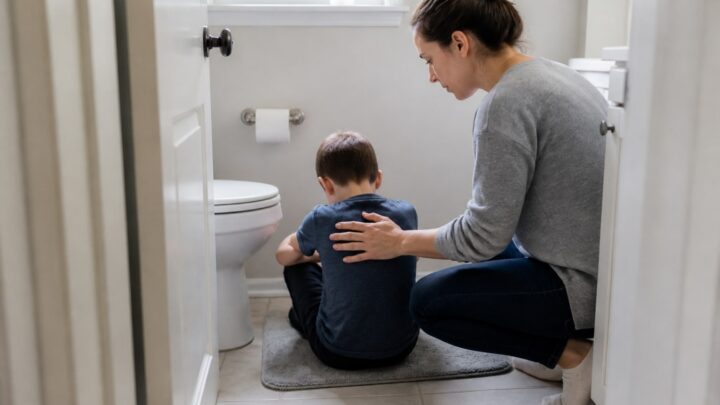
A real refusal lasts over time, starts on Sunday night, comes with physical symptoms (stomach ache, headaches with no medical cause) and doesn’t improve when external variables change. If you notice frequent somatic complaints linked to class day, it’s worth checking with the paediatrician to rule out other causes before blaming everything on the activity.
Common mistakes when choosing and sticking with an after-school activity
- Signing up for too many at once. Tiredness colours how you perceive all of them. If you suspect overload, review the signs that your child needs a lighter schedule.
- Choosing based on what friends are doing. It works at first, but if the activity doesn’t suit them, the group effect wears off.
- Confusing shyness with lack of interest. Some children take 6-8 weeks to open up. That’s not the same as not enjoying it.
- Turning it into performance. Asking about medals or grades before asking how they’re having fun changes the meaning of the activity.
Frequently asked questions
How long should I wait before deciding whether an after-school activity is working? A full month is usually reasonable. The first 2-3 sessions almost always involve adjustment, crying or initial reluctance, especially in children under 6. From the fourth week on you can start to see a pattern.
Is it bad to quit an after-school activity mid-term? No. The idea that “you finish what you start” has its value, but not above the child’s wellbeing. Stopping with a calm conversation teaches more than forcing them to endure it.
My child says they like it but cries every day before going. What should I do? Trust what you see more than what they say. Sometimes children answer “yes” so as not to disappoint you. Talk to the teacher and apply the 4-week method.
What if I want them to do sport and they’d rather paint? You can offer both and let them choose, or alternate by term. What usually doesn’t work is imposing an activity “for their own good” for years: the refusal ends up spreading to everything.
How many after-school activities are appropriate per week? It depends on age, temperament and the school workload. As a rough guide, 1-2 a week in infant school and 2-3 in primary school are usually enough for most children, leaving afternoons free for unstructured play.